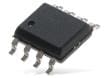
MCP2021P-330E/SN

Microchip Technology
579-MCP2021P330ESN
MCP2021P-330E/SN

Herst.:

Beschreibung:
LIN-Transceiver LIN Transceiver with Vreg and LIN

ECAD Model:
Den kostenlosen Library Loader herunterladen, um diese Datei für Ihr ECAD Tool zu konvertieren. Weitere Infos zu ECAD-Modell.

Auf Lager: 150

Lagerbestand:
150 sofort lieferbar
Lieferzeit ab Hersteller:
3 Wochen Geschätzte Produktionszeit des Werks für Mengen, die größer als angezeigt sind.
Minimum: 1   Vielfache: 1
Stückpreis:
CHF -.--
Erw. Preis:
CHF -.--
Vorauss. Zolltarif:

Preis (CHF)

Menge Stückpreis
Erw. Preis
CHF 1.54 CHF 1.54
CHF 1.29 CHF 32.25
CHF 1.19 CHF 119.00

Produktattribut Attributwert Attribut auswählen
Microchip
Produktkategorie: LIN-Transceiver
RoHS:  
18 V
6 V
115 uA
- 40 C
+ 125 C
SMD/SMT
SOIC-8
Tube
Marke: Microchip Technology
Feuchtigkeitsempfindlich: Yes
Betriebsversorgungsspannung: 6 V to 18 V
Produkt-Typ: LIN Transceivers
Verpackung ab Werk: 100
Unterkategorie: Interface ICs
Gewicht pro Stück: 540 mg
Produkte gefunden:
Um ähnliche Produkte anzuzeigen, wählen Sie mindestens ein Kontrollkästchen aus
Um ähnliche Produkte in dieser Kategorie anzuzeigen, wählen Sie mindestens ein Kontrollkästchen oben aus.
Ausgewählte Attribute: 0

Für diese Funktionalität ist die Aktivierung von JavaScript erforderlich.

CNHTS:
8542399000
CAHTS:
8542310000
USHTS:
8542390090
KRHTS:
8542311000
TARIC:
8542319000
MXHTS:
8542399999
ECCN:
EAR99

MCP20xx LIN Transceivers

Microchip Technology MCP20xx LIN transceivers satisfy the stringent requirements of automotive manufacturers worldwide. The Microchip Technology MCP20xx AEC-Q100-certified devices are LIN 1.3, 2.0, 2.1 and SAE J2602 compliant and feature industry-leading ESD and EMC performance for reliable communication in extremely harsh environments. These Microchip Technology LIN transceivers boast current consumption ratings that are among the lowest in the LIN transceiver market, allowing for extended battery life and more efficient non-ignition-switched applications. The product line's EMC performance results in more robust designs that are less susceptible to system faults.